The Alcudia area in northern Mallorca is home to some of the most spectacular beaches in the Balearic Islands. From the seemingly endless strip of white sand at Platja d'Alcudia to hidden coves reachable only on foot or by boat, there is a beach for every type of traveller. This guide takes you through the best Alcudia beaches with all the practical information you need to make the most of them.
Platja d'Alcudia: the main beach
Platja d'Alcudia is the flagship beach of northern Mallorca and one of the largest on the island, stretching over 3.5 kilometres of fine golden sand. The water is crystal clear, shallow and sandy-bottomed, allowing you to wade out a long way without losing your footing, which makes it a firm favourite with families with young children.
What it is like
Fine golden sand, calm turquoise waters. The beach is wide and has plenty of room even in peak season. The northern end (near Ciudad Blanca) is quieter, while the central section opposite the promenade is the liveliest with beach bars, restaurants and shops.
How to get there
From central Port d'Alcudia the beach is less than a five-minute walk down any of the streets heading towards the sea. By car, there is free parking on the streets running parallel to the promenade and a public car park next to the harbour. In high season, arrive before 10:00 to find a spot easily.
Facilities
Sunbed and parasol hire, showers, public toilets, beach bars, lifeguards in high season, water-sport areas (paddleboarding, kayaking, banana boat, parasailing), disabled-access ramps at several points.
Best time to visit
June to September for swimming. Weekday mornings are the quietest. Sunsets provide spectacular light for walks along the shoreline. Outside the main season (April-May, October) the beach is virtually deserted and perfect for walking or running.
Platja de Muro: white-sand paradise
Technically in the municipality of Muro but a direct continuation of Alcudia beach heading south, Platja de Muro is where the sand turns even whiter and finer and the water takes on Caribbean shades. It is one of the most photographed beaches in Mallorca and regularly features in European best-beach rankings.
What it is like
Brilliant white, ultra-fine sand, shallow turquoise water. The beach is split into sectors: zone 1 is closest to Alcudia and has the most facilities; zones 2 and 3 fall within the s'Albufera nature reserve and become progressively quieter and wilder, with protected dunes and low vegetation.
How to get there
By car, take the Ma-12 towards Can Picafort. Several signposted access points have parking (paid in zone 1, free in zones 2 and 3). By bike, the coastal greenway connects Port d'Alcudia to Playa de Muro in about 15 minutes of cycling. A local bus also links the two areas in summer.
Facilities
Zone 1: sunbeds, parasols, beach bars, toilets, lifeguards. Zones 2 and 3: very limited or no facilities. Bring your own water and food if heading to the further sections.
Best time to visit
May to October. Weekday mornings, especially in zones 2 and 3, offer an almost private experience. If you want atmosphere, zone 1 in July and August is the liveliest.
Cala Sant Vicenc: picture-postcard coves
About 15 minutes by car from Alcudia, Cala Sant Vicenc is actually a group of four small coves framed by mountains and pine forest: Cala Barques, Cala Clara, Cala Molins and Cala Carbo. Each has its own character, but all share crystal-clear water and a stunning natural setting.
The four coves
- Cala Barques: the largest and most accessible, a mix of sand and rock with good snorkelling along the sides. Beach bar and sunbed hire available.
- Cala Clara: small and sheltered, ideal for couples. Transparent water over a rocky bottom.
- Cala Molins: the most popular, with fine sand, a front-row restaurant and a family-friendly atmosphere. Parking nearby.
- Cala Carbo: the wildest and smallest, with no facilities. Reached by a short path through the pines. Perfect for total peace and quiet.
How to get there
From Alcudia, take the Ma-2200 towards Pollenca and then the Ma-2210 to Cala Sant Vicenc. The drive takes about 15 minutes. There is a public car park (limited in summer, arrive early). No direct public transport; car or bicycle are the best options.
Best time to visit
June to September for swimming. Arrive before 10:00 in summer for easy parking. Outside the season the cliffs between the coves are great for hiking.
Es Coll Baix: the wild beach
Es Coll Baix is one of the most spectacular and unspoilt beaches in Mallorca. Hemmed in by cliffs rising over 200 metres and reachable only by a demanding trail on foot or by boat, it is the ultimate destination for nature lovers who do not mind a hike to find somewhere truly special.
What it is like
A beach of stones and coarse gravel surrounded by sheer rock walls. The water is a deep, crystal-clear blue. There is no natural shade and absolutely no facilities. It is a completely untouched place where nature is in charge.
Getting there on foot
The trail starts at the end of the road to the Ermita de la Victoria (small car park available). The descent takes about 40 to 50 minutes along a rocky path with steep sections. You will need hiking shoes, plenty of water and sun protection. The climb back up is strenuous. Not suitable for young children or anyone with limited mobility.
Getting there by boat
From Alcudia harbour, several companies run excursions that stop at Es Coll Baix. You can also hire a no-licence boat and make your own way there. This option lets you enjoy the beach without the effort of the hike.
Best time to visit
May to September. Start early if going on foot (set off at 08:00 to 09:00 to beat the heat). By boat, any time in the morning works well. Avoid very windy days, as the sea can get rough in this area.
Platja des Coll Baix (Coll Baix Petit)
Not to be confused with Es Coll Baix. Platja des Coll Baix, also called Coll Baix Petit, is a small pebble beach reached by a different trail from the Victoria area. It is smaller and far less visited than its famous neighbour, making it an interesting option for anyone seeking absolute solitude.
How to get there
Access is via a path that branches off the Victoria road before the Es Coll Baix car park. The descent is shorter but equally rocky. Wear proper footwear and carry water.
Best time to visit
The same recommendations as for Es Coll Baix apply. Because it is less well known, you will find fewer people even in peak season.
S'Illot: the islet off the beach
S'Illot is a small rocky islet sitting just off the northern end of Platja d'Alcudia. You can reach it by swimming or wading (the distance is around 50 metres). It is a popular snorkelling spot, as the rocks around the islet harbour rich marine life including colourful fish, sea urchins and starfish.
How to get there
From the northern end of Platja d'Alcudia, walk to the point where the sand gives way to a rocky area. From there the islet is just metres away. You can walk or swim depending on the tide.
Tip
Bring a snorkel mask and reef shoes. The seabed between the beach and the islet has patches of rock and posidonia seagrass. The area is particularly beautiful in the morning, when the water is calmest and visibility is at its best.
After the beach: your plans in Alcudia
A great beach day deserves a great finish. Here are our recommendations for rounding off the day:
For lunch or dinner
After hours in the sun, you'll have earned a proper meal. Port d'Alcúdia has rice dishes, charcoal-grilled cooking and options for every taste, whether it's a long lunch or a relaxed dinner: find our up-to-date selection in the guide to the best restaurants in Alcúdia.
For sunset drinks
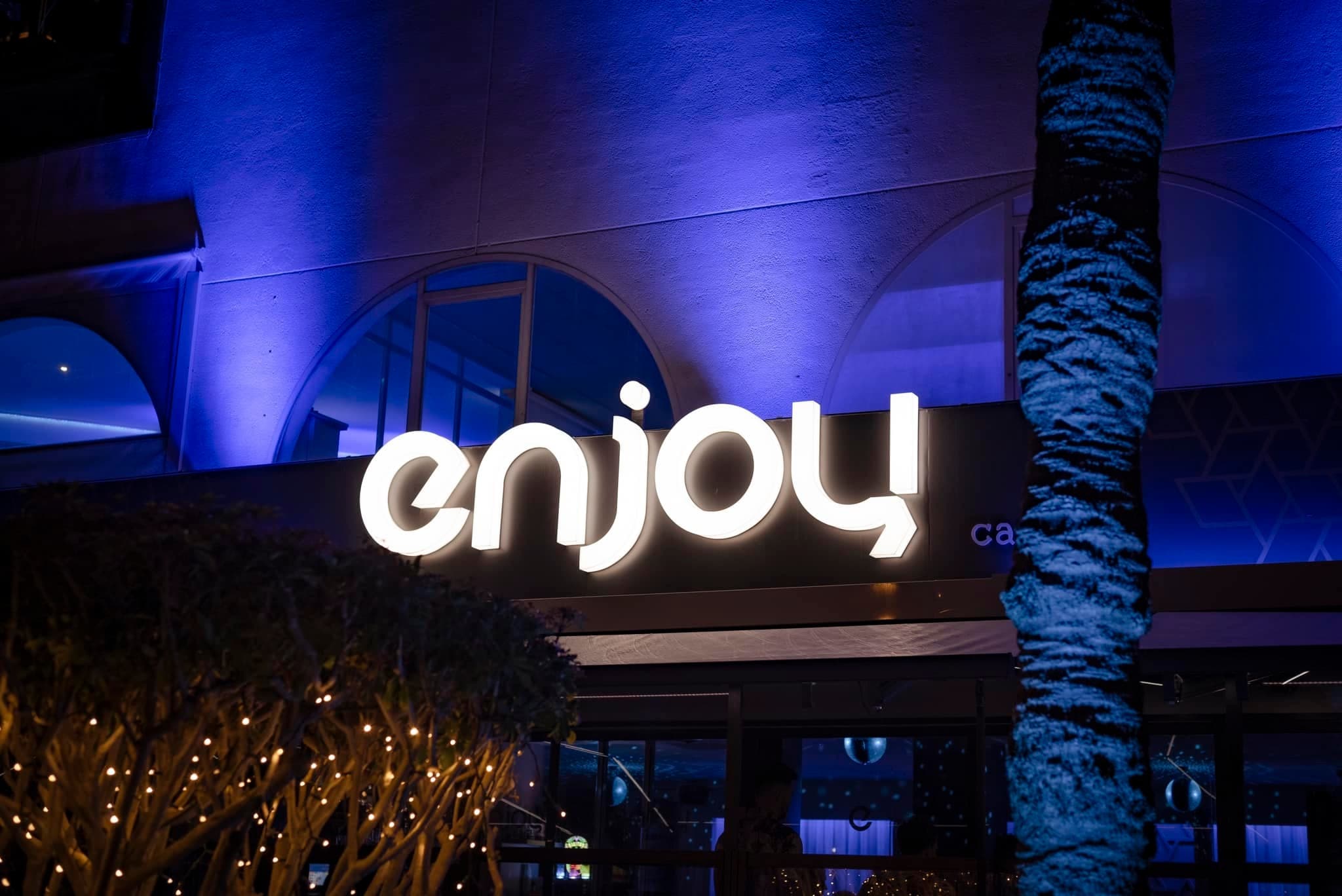
Leave the beach, take a shower and head to Enjoy Terrace (Av. Tucan 1, Port d'Alcudia). Signature cocktails, premium shisha and an ambiance that pairs perfectly with an Alcudia sunset. Open from 17:00 daily, it is the place where the afternoon naturally turns into evening.
For nightlife
If it is Thursday, Friday or Saturday, the night carries on at Outxide Club, at the same Av. Tucan 1. Top-tier DJs, professional sound and visual production that turns every night into a unique experience. Open from 23:00, May to October.
Practical tips for Alcudia's beaches
- Sun protection: The Mallorcan sun is fierce, especially between 12:00 and 16:00. Use SPF 50 and reapply after every swim.
- Water and food: Equipped beaches have beach bars, but for wild coves (Es Coll Baix, Cala Carbo) bring your own supplies.
- Footwear: Reef shoes or aqua sandals are essential for pebble and rocky beaches.
- Environment: Respect the posidonia seagrass that sometimes washes up on shore. It is a protected ecosystem vital to the health of the Mediterranean.
- Blue Flag season: The main beaches hold Blue Flag status and have lifeguards from June to September.